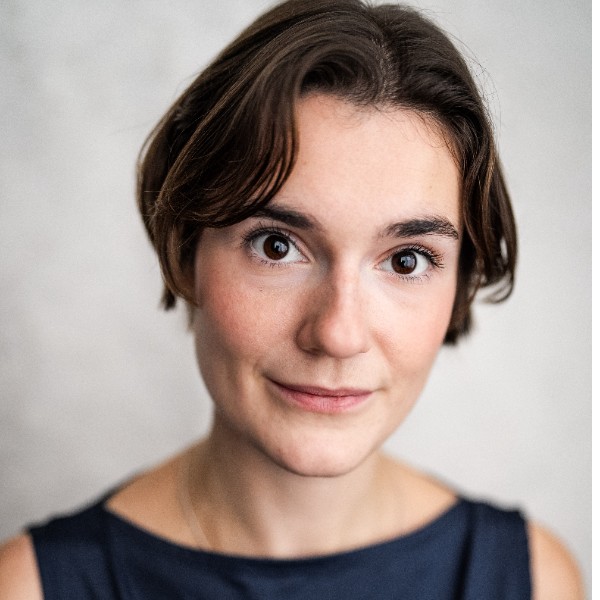
 Verified
Charlie Culley
Drama Tutor
Durham University
- A Level
- GCSE
- Early Years
Also teaches History, English
1:1 lesson£50/wk
Subjects
3 Bindle tutors teach English online, at A Level, GCSE, Early Years, Key Stage 1, Key Stage 2, Key Stage 3, University and Adult Learning, covering the AQA, Cambridge International, OCR, Pearson Edexcel and WJEC Eduqas exam boards. Every one has had their degree and their own grades verified, and was interviewed and DBS checked before teaching. You can message any of them free before you subscribe.
Verified Drama Tutor
Durham University
1:1 lesson£50/wk
 Verified
Spanish Tutor
University of Leeds
1:1 lesson£50/wk
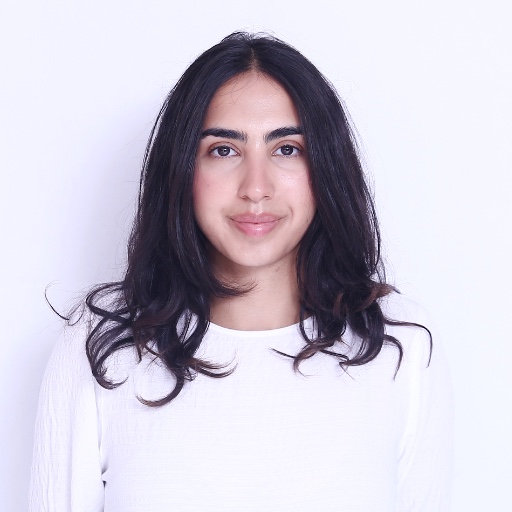 Verified
English Tutor
University College London
1:1 lesson£40/wk
English covers reading, writing, speaking and listening, and the study of language and literature. It is the subject every other subject depends on, and a good pass at GCSE is required by most sixth forms, colleges, universities and employers. Students take English at A level and beyond because they love reading, want to write well, or are preparing for degrees in English, law, history, journalism and many others.
Students who do not reach grade 4 at GCSE English Language usually continue studying it after 16.