 Verified
Jeehwan Ahn
Biology Tutor
Imperial College London
- A Level
- GCSE
- Early Years
Also teaches Chemistry, Mathematics, Physics
1:1 lesson£40/wk
Subjects
7 Bindle tutors teach Biology online, at A Level, GCSE, Early Years, Key Stage 1, Key Stage 2 and Key Stage 3, covering the AQA, Cambridge International, CCEA, International Baccalaureate, OCR, Pearson Edexcel, Qualifications Scotland and WJEC Eduqas exam boards. Every one has had their degree and their own grades verified, and was interviewed and DBS checked before teaching. You can message any of them free before you subscribe.
Verified Biology Tutor
Imperial College London
1:1 lesson£40/wk
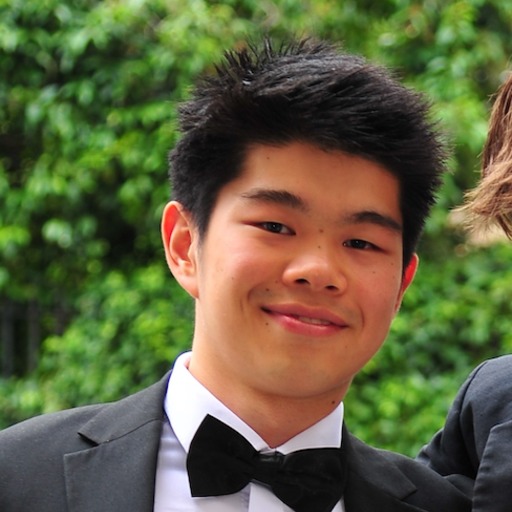 Verified
Biology Tutor
Imperial College London
1:1 lesson£39.95/wk
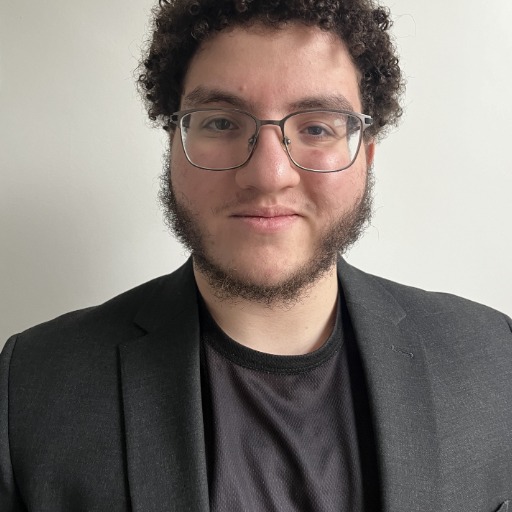 Verified
Biology Tutor
Imperial College London
1:1 lesson£35/wk
 Verified
Chemistry Tutor
University of Oxford
1:1 lesson£35.50/wk
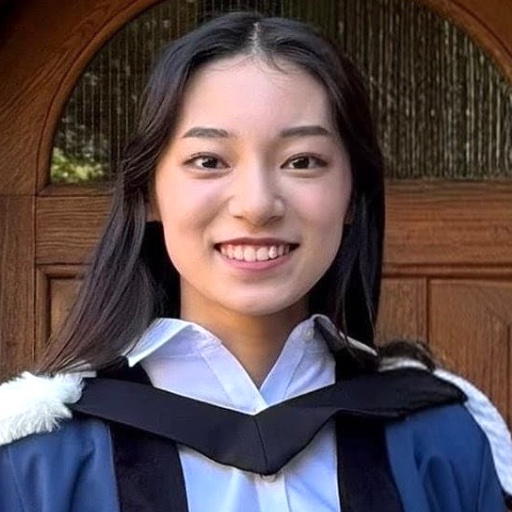 Verified
Mathematics Tutor
University of Cambridge
1:1 lesson£49.95/wk
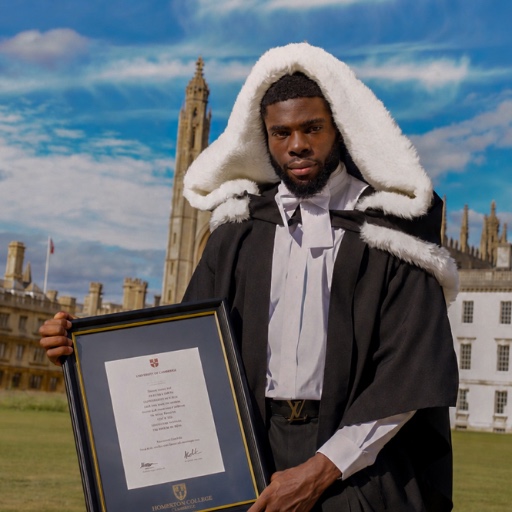 Verified
Biology Tutor
University of Cambridge
1:1 lesson£49.85/wk
 Verified
Chemistry Tutor
Imperial College London
1:1 lesson£40/wk
Biology is the study of living things, from the chemistry inside a single cell to whole ecosystems. Students take it because it explains how their own bodies work, how diseases spread and are treated, and how life on Earth is changing. It is required or strongly preferred for medicine, dentistry, veterinary science, nursing and many life science degrees, and it pairs naturally with chemistry.
Scottish National 5 and Higher courses and the IB Diploma cover similar ground with their own emphases.